



Ch Zafar Habib

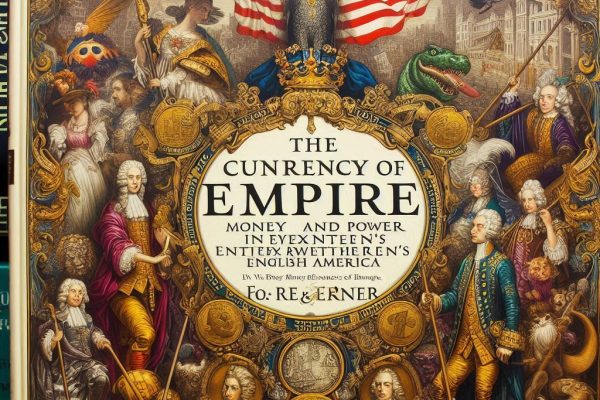
The Currency of Empire: Money and Power in Seventeenth-Century English America

In “The Currency of Empire,” Jonathan Barth explores the critical role of silver and gold in the English colonial project during the seventeenth century. He argues that these precious metals were central to the economic and political strategies of the English empire, influencing colonization, trade policies, and the administration of colonial territories. The book highlights the tension between England’s mercantilist policies, which aimed to concentrate wealth within the mother country, and the colonies’ desires for economic autonomy. This tension often manifested in conflicts over trade regulations, currency shortages, and resistance to English control, setting the stage for the eventual push towards independence.

Read More

“Comprehensive Analysis of the Indian Automobile Sector: History, Government Policies, Global Competitiveness, Advantages, and Weaknesses”

The Indian automobile sector, one of the largest globally, has experienced remarkable growth driven by strategic government policies, technological advancements, and rising consumer demand. This comprehensive analysis explores the industry’s history, key government initiatives, competitive positioning against Japan and China, and highlights the advantages and challenges faced by the sector. Understanding these factors is crucial for making informed business decisions in this dynamic market.

Read More

A Comprehensive Analysis of the Chinese Automobile Sector

China’s automotive industry has evolved from its early days of foreign imports to become a global leader, particularly in electric vehicles (EVs). Pioneered by strategic government policies and robust investments in technology, Chinese automakers like Geely, BYD, and NIO have not only captured the domestic market but also expanded their influence globally. With initiatives such as Made in China 2025 promoting technological innovation and the Dual Credit Policy incentivizing green technologies, China is poised to challenge traditional automotive giants like Japan and South Korea, reshaping the future of mobility on a global scale.

However, the Chinese automobile industry also faces significant challenges. These include navigating technological transitions, maintaining quality standards amidst rapid expansion, and competing in international markets. Moreover, environmental concerns have become a focal point, prompting China to implement stringent regulations and invest in sustainable practices within the automotive sector. This proactive approach underscores China’s commitment to addressing environmental challenges while fostering continued growth and innovation in its automotive industry.

Read More

Rwanda’s Textile Sector: History, Policies, and Future Potential to Compete with Asia

Rwanda’s textile sector is emerging as a significant player in the country’s economic development. With a history of modest beginnings and substantial disruption due to the 1994 genocide, the industry is now experiencing revival through strategic government policies. Key initiatives such as the Made in Rwanda campaign, import substitution, and investment in skills and infrastructure are driving growth. Rwanda’s political stability, strategic location, business-friendly environment, and commitment to sustainability make it an attractive destination for textile manufacturers. While replacing the Asian textile market is ambitious, Rwanda’s unique advantages position it for notable growth in the global textile industry.

Read More

The Roman Empire: A Complex Tapestry of Power, Culture, and Society

The Roman Empire, an ancient civilization that dominated the Mediterranean world for centuries, continues to fascinate historians, scholars, and general readers alike. The “Blackwell Companion to the Roman Empire,” edited by David S. Potter, offers a comprehensive overview of this vast and intricate empire. This article draws upon the insights from this scholarly work to explore the multifaceted nature of the Roman Empire, focusing on its political structure, economic systems, social dynamics, and cultural achievements. The Roman Empire’s transition from a republic to a monarchy, its sophisticated administrative structure, the formidable Roman army, and the intricacies of urban life and infrastructure are just a few of the aspects that highlight the complexity and grandeur of this civilization. Furthermore, the article delves into the empire’s diverse economy, hierarchical social structure, rich religious traditions, and enduring cultural achievements, providing a well-rounded understanding of one of history’s most influential civilizations.

Read More

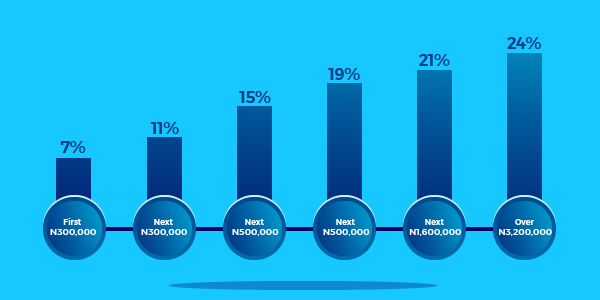
Islamic Perspective on the Impact of Ethics and Tax for Nigerian Economic Development

The relationship between taxation, ethics, and economic development is crucial, especially in developing nations like Nigeria. Islamic principles of ethics and taxation, rooted in Sharia law, present a compelling framework for addressing Nigeria’s economic challenges. Islamic taxation, primarily through Zakat, intertwines religious duty with socio-economic responsibilities, promoting justice and equity. Historically, Northern Nigeria effectively utilized Islamic taxation, which facilitated community welfare and management. Reintroducing these principles could enhance tax compliance, reduce poverty, and foster social justice, offering a sustainable development model for Nigeria.

Read More

انکا تہذیب: ایک مکمل اور جامع جائزہ

تعارف انکا تہذیب، جسے تاوانتنسو (Tawantinsuyu) بھی کہا جاتا ہے، پری-کولمبین امریکہ کی سب سے بڑی سلطنت تھی جو پندرہویں صدی کے اوائل سے سولہویں صدی تک فروغ پذیر رہی۔ اس کا مرکز اینڈین خطے میں تھا، اور اس کا اثر جدید دور کے پیرو، ایکواڈور، بولیویا، چلی اور ارجنٹینا کے حصوں تک پھیلا ہوا…

Read More

Discovering the Inca Empire: An In-Depth Exploration of Ancient Achievements and Legacy

The Inca civilization’s complex societal structure, advanced agricultural practices, and impressive architectural feats represent a pinnacle of pre-Columbian achievement. Its legacy continues to influence contemporary Andean societies, providing valuable lessons in sustainability and resilience. Further research into Inca history and culture promises to uncover new insights, enhancing our appreciation of this extraordinary civilization.

Read More