

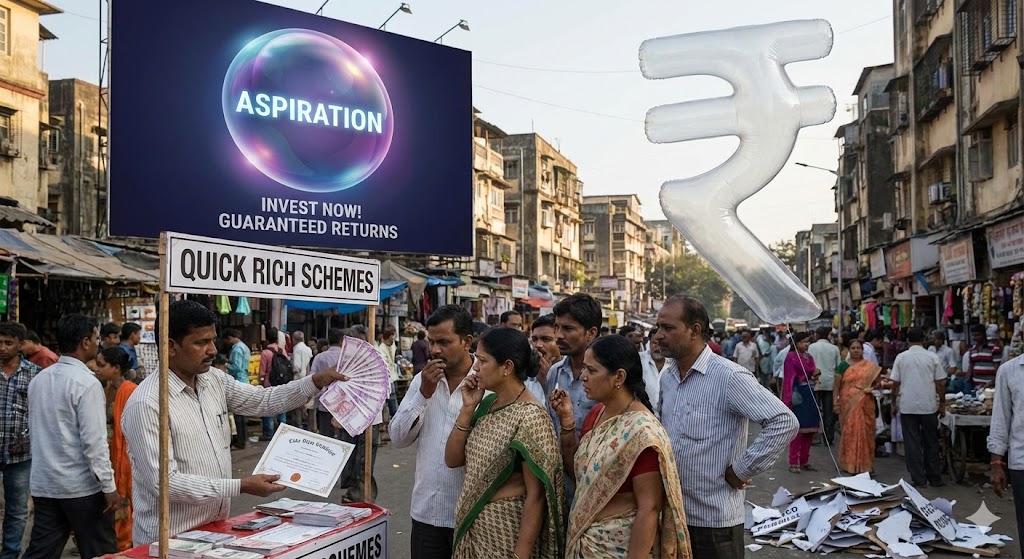


Hype and Fraud in India: How Aspiration, Insecurity, and Scale Created a Parallel Economy of Illusions

India is not merely experiencing isolated scams or occasional frauds. It is witnessing the rise of an entire ecosystem where hype replaces trust, speed replaces verification, and aspiration is routinely monetized through illusion. From startups and influencers to politics, spirituality, education, and finance, this article examines how hype and fraud function as a systemic pattern in Indian society — why they flourish, who enables them, and what this reveals about a nation under extreme aspirational pressure.
Read More

The Veil: An Exploration of Its Significance, Criticism, and Perspectives Across Cultures and Religions

The veil, particularly within Islamic tradition, has sparked significant discussion and debate regarding its implications for women’s rights, cultural identity, and religious expression. This article explores the multifaceted nature of the veil, drawing on Quranic and Hadith references to underscore its significance in Islam. It examines perspectives from other religions, the criticism faced in Europe and India, and atheistic viewpoints that challenge religious practices. By highlighting diverse interpretations and emphasizing the importance of personal choice, the article aims to provide a nuanced understanding of the veil as both a symbol of modesty and a point of contention in contemporary discourse.

Read More

Hilsa Fish Dispute: India’s Demand, Bangladesh’s Ban, and the Regional Significance

The Hilsa fish dispute between India and Bangladesh has gained international attention, rooted in cultural significance and economic impact. Bangladesh, which banned Hilsa fish exports to protect its local market and fish population, faces pressure from India, where Hilsa is highly valued, especially during festivals. As Bangladesh prioritizes sustainable fishing practices and food security, the export ban has caused tension, sparking criticism from both sides. This article delves into the history, benefits, and reasons behind the ongoing controversy.

Read More

India’s Alleged Role in Terror Financing: An In-Depth Analysis of Claims, Evidence, and Strategic Interests

This article explores the contentious allegations of India’s involvement in terror financing in Pakistan, with a focus on Khyber Pakhtunkhwa and Balochistan. Analyzing data, documented incidents, and strategic motives, it provides a comprehensive understanding of the claims, counterarguments, and implications for regional stability.

Read More

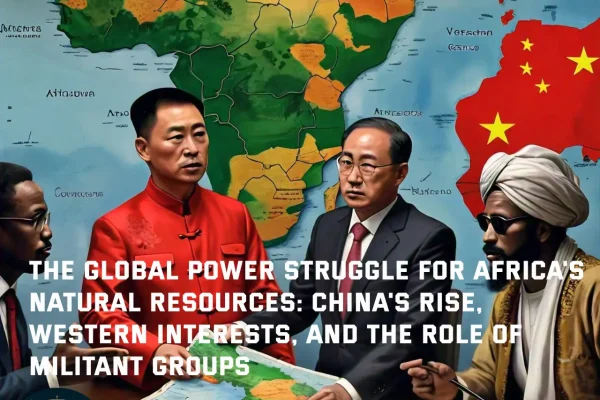
The Global Power Struggle for Africa’s Natural Resources: China’s Rise, Western Interests, and the Role of Militant Groups

The race for Africa’s vast natural resources has intensified, with China, the U.S., India, France, Turkey, and the European Union all competing for dominance. While these global powers invest heavily in infrastructure and trade, they also exploit the region’s political instability and poverty. This comprehensive analysis explores the geopolitical strategies used by these nations, the role of militant groups, and the impact of this struggle on Africa’s future.

Read More

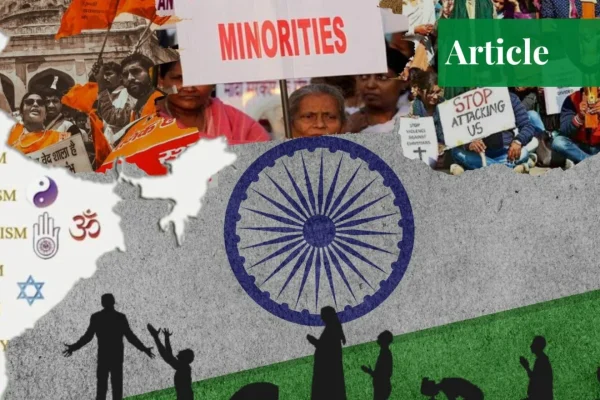
The Impact of Rising Religious and Political Hate in Indian Society on Overseas Indians and Their Future

The rise of religious and political intolerance in India is profoundly impacting the lives of Overseas Indians. As India’s global image deteriorates, the diaspora faces increased scrutiny, discrimination, and challenges in their host countries. This shift in perception affects not only social interactions but also professional and economic opportunities, as well as legal and safety concerns. The changing global view of India, driven by the rise of Hindu nationalism and related issues, poses significant challenges for the Indian diaspora as they navigate their cultural and national identities in an increasingly complex world.

Read More