






China’s Diplomatic Efforts in the Middle East: An In-Depth Analysis

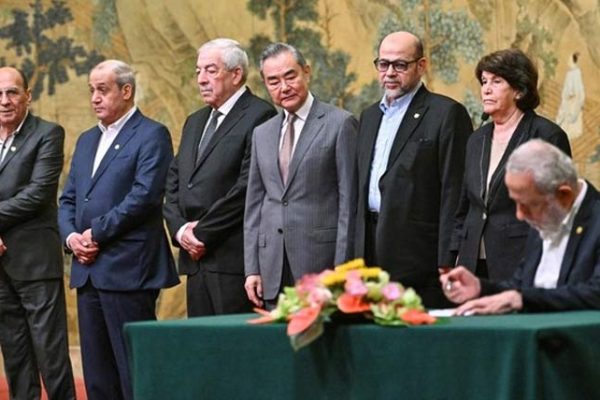
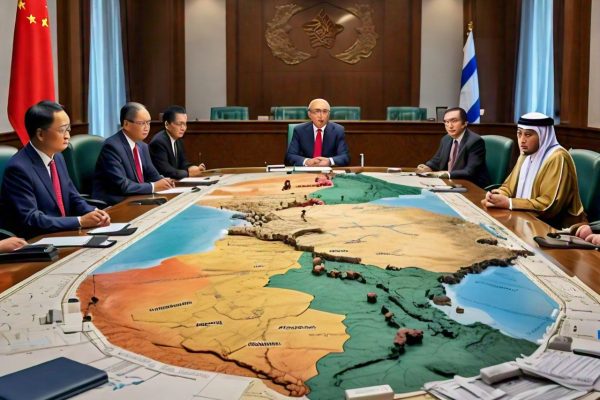
China’s diplomatic efforts in the Middle East have been gaining momentum in recent years, driven by its growing economic and strategic interests in the region. With investments totaling over $120 billion in the Belt and Road Initiative (BRI), China is seeking to expand its influence and challenge traditional power dynamics. But as China navigates complex geopolitical tensions and domestic challenges, can it maintain its diplomatic momentum and solidify its position as a key player in the Middle East?

Read More

Shifting World Powers: An In-Depth Analysis of Current Global Political Dynamics

The global political landscape is undergoing significant transformations as traditional Western powers face challenges and emerging economies in the Global South assert their influence. This comprehensive analysis explores the current dynamics in world politics, examining the roles of major global actors, regional conflicts, and global issues such as climate change and health crises. Understanding these shifts is crucial for navigating the future of international relations and global governance.

Read More

India vs. China: A Comprehensive Comparison of Economic Powerhouses in 2024

Narayana Murthy’s recent statement about the audacity of believing India could rival China as a manufacturing hub, given China’s GDP is six times that of India’s, highlights a critical economic comparison. This article delves into the actual data, facts, and figures to provide a comprehensive analysis of the Indian and Chinese economies. It covers GDP, export volumes by industry, and country-wise export distribution, offering a detailed look at the economic landscapes of these two Asian giants.

Read More

Shifting Global Powers: NATO and the Rising Influence of the Global South

The global balance of power is shifting as NATO faces new challenges and the Global South, led by emerging economies like China and India, gains influence. This in-depth analysis explores the evolving roles of these key players, examining economic growth, military expenditures, and geopolitical strategies. As the world transitions to a multipolar order, understanding the changing dynamics between traditional Western powers and rising nations in the Global South is crucial for future global governance and international relations.

Read More

Analyzing the Underlying Political Reasons Behind the Gaza-Israel Conflict: Global Politics, Trade Routes, Regional Control, Financial Crises, and Arms Industry

The Gaza-Israel conflict, often viewed through the lens of territorial disputes and ethnic tensions, is deeply rooted in a web of historical, political, and economic factors. This research paper delves into the intricate dynamics driving the conflict, including global political maneuvers, the strategic importance of trade routes, regional power struggles, economic crises, and the influential role of the arms industry. Additionally, it examines the shifting global power landscape, particularly the declining hegemony of the United States and the rise of China, which further complicate the quest for peace. By exploring these dimensions, the paper provides a comprehensive understanding of the enduring conflict and the multifaceted challenges to achieving stability in the Middle East.

Read More

How China Taught the World to Conquer with Economy, Not War: A Study of 10 Case Studies

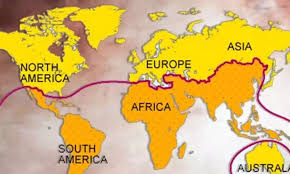
China’s modern strategy for global influence focuses on economic power rather than military conquests, as exemplified by the Belt and Road Initiative (BRI) and strategic investments across various regions. Through ten detailed case studies, this paper explores how China has utilized infrastructure development, trade relations, and technological partnerships to enhance its global standing. From port investments in Africa and energy projects in Latin America to digital infrastructure in Southeast Asia and strategic acquisitions in Europe, China’s economic approach has reshaped global dynamics, fostering economic growth, enhancing regional connectivity, and securing geopolitical influence. This non-military method of expanding influence offers valuable lessons for leveraging economic power to achieve strategic objectives.

Read More

BYD’s $1 Billion Investment in Turkey: A Strategic Move in the Global Automotive Industry

BYD, a leading Chinese electric vehicle (EV) manufacturer, has announced a $1 billion investment in Turkey, marking a strategic expansion into the European market. This investment aims to establish advanced manufacturing facilities, enhance local production capabilities, and strengthen economic ties between China and Turkey. By leveraging Turkey’s strategic location, BYD can streamline its supply chain, reduce production costs, and cater to the growing demand for EVs in Europe. This move aligns with China’s Belt and Road Initiative, enhancing trade connectivity and expanding China’s influence in the global automotive industry. This paper explores the implications of BYD’s investment for both the Turkish economy and the broader geopolitical landscape.

Read More