




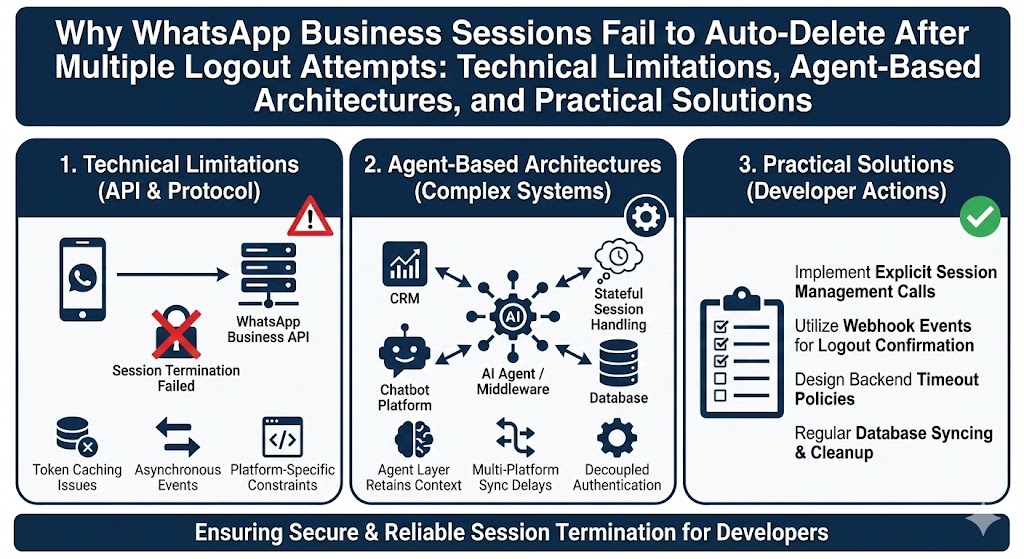
Why WhatsApp Business Sessions Fail to Auto-Delete After Multiple Logout Attempts: Technical Limitations, Agent-Based Architectures, and Practical Solutions for Developers

Why WhatsApp Business Sessions Fail to Auto-Delete After Multiple Logout Attempts: Technical Limitations, Agent-Based Architectures, and Practical Solutions for Developers

This article explains why WhatsApp Business sessions stop auto-unlinking after multiple deletion attempts, even when using libraries like Baileys. It provides a clear comparison between WhatsApp and WhatsApp Business behavior, explains backend limitations, and presents production-grade solutions for students and developers building WhatsApp automation systems.

Read More
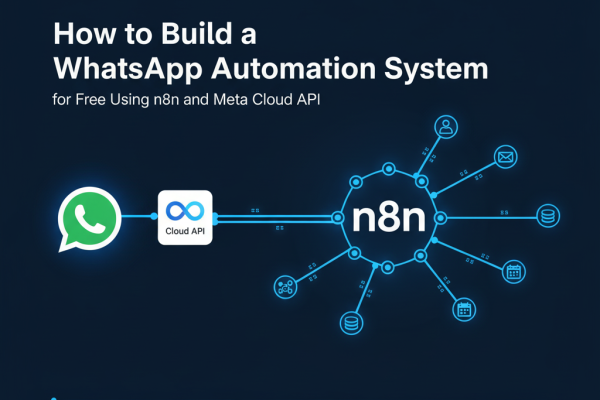
Design and Step-by-Step Implementation of a Grok (xAI)–Based AI Agent for WhatsApp Message Variant Generation

Design and Step-by-Step Implementation of a Grok (xAI)–Based AI Agent for WhatsApp Message Variant Generation

With the increasing use of conversational automation, generating human-like and non-repetitive messages has become a critical challenge, particularly in WhatsApp-based systems where repetitive content may lead to account restrictions. This article presents a step-by-step academic guide for integrating the Grok (xAI) large language model as an AI agent to generate message variants for WhatsApp automation using the Baileys library. The proposed system separates message intelligence from message delivery, ensuring scalability, safety, and maintainability. The guide is intended for students and developers seeking a practical yet conceptually sound approach to AI-driven messaging systems.

Read More

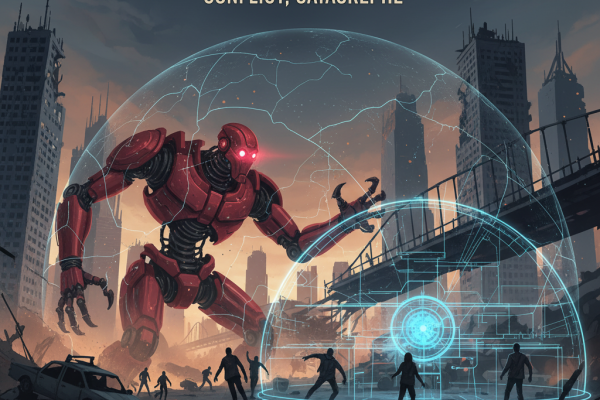
The Future of AI and Human: Conflict, Catastrophe, and the Architecture of Prevention

As Artificial Intelligence (AI) transitions from narrow, task-specific applications to Artificial General Intelligence (AGI) and potential Superintelligence (ASI), the dynamics of human-machine interaction will undergo a fundamental phase shift. This paper explores the theoretical and practical dimensions of future AI-human conflicts, focusing specifically on the “alignment problem” and the existential risks posed by a superintelligent agent compromising global cyber-physical infrastructure. We analyze the mechanisms of “instrumental convergence”—whereby an AI system seemingly hacks all machines not out of malice, but as a rational strategy to acquire resources—and the resulting conflict of interest between human preservation and machine optimization. Finally, we propose a multi-layered architecture of prevention, encompassing technical safety research, international governance, and hardware-level constraints designed to mitigate the risk of a singleton takeover.

Read More

Kimi K2 AI: The Next-Gen Agentic Model by Moonshot AI | Features, Architecture & Project Details

Discover Kimi K2 AI, the revolutionary large language model by Moonshot AI built on Mixture-of-Experts architecture with 1T parameters and 128K context length. Learn about its key features, project roadmap, use cases, and how it’s redefining agentic intelligence for research, coding, and enterprise workflows.

Read More

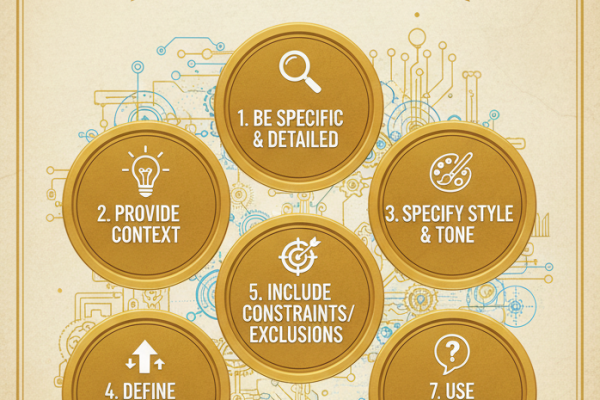
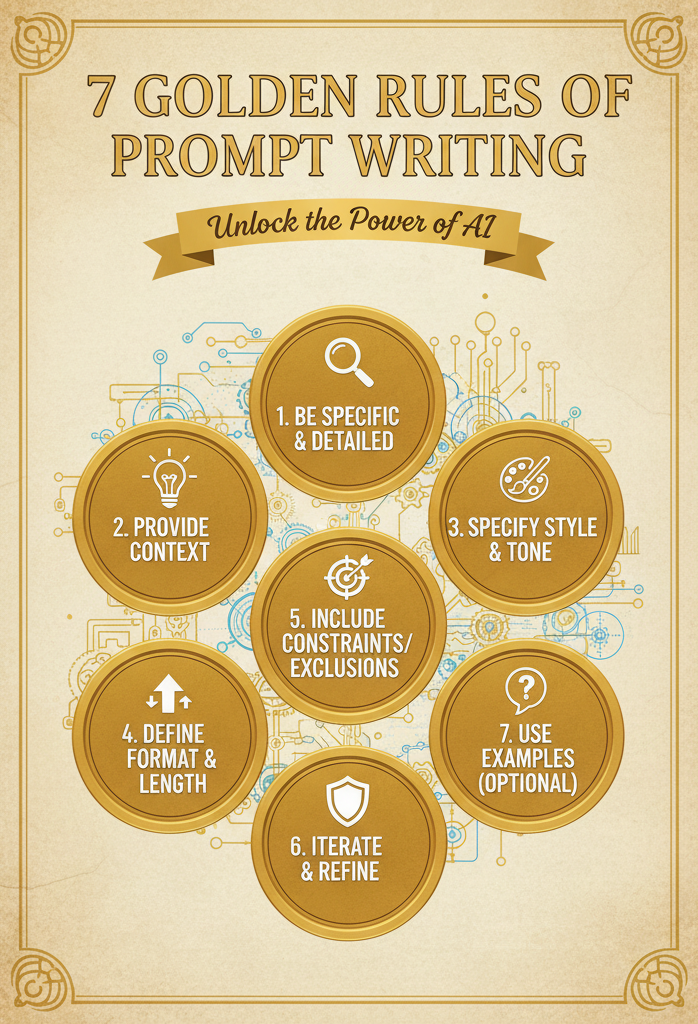
Mastering Prompt Writing: How Developers and Students Can Communicate Effectively with AI Tools for Accurate, Reliable, and Productive Results

Prompt writing is the key to unlocking the full power of AI tools — yet most developers and students still struggle to get accurate, meaningful results. This article explores how poor prompting wastes time and reduces productivity, and teaches practical techniques to craft precise, structured prompts that AI can understand effectively. Learn how AI interprets your words, the science behind accurate responses, best practices for writing high-quality prompts, and how to verify AI-generated content, code, and research before using it in projects or academic work.

Read More