






The Beneficiaries of Conflict: How India and China Leveraged the Russia-Ukraine and Gaza-Israel Wars

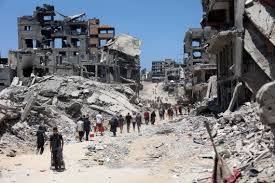
This research paper delves into the geopolitical and economic repercussions of the Russia-Ukraine war and the Gaza-Israel conflict, emphasizing how India and China emerged as significant beneficiaries. By analyzing comprehensive data, the paper examines how these nations capitalized on the situations by selling weapons, purchasing discounted oil and gas in local currencies, and strengthening their economic and political positions. In contrast, European companies faced substantial losses, with China acquiring their shares, while the US and Europe encountered severe criticism on human rights issues.

Read More

Analyzing the Underlying Political Reasons Behind the Gaza-Israel Conflict: Global Politics, Trade Routes, Regional Control, Financial Crises, and Arms Industry

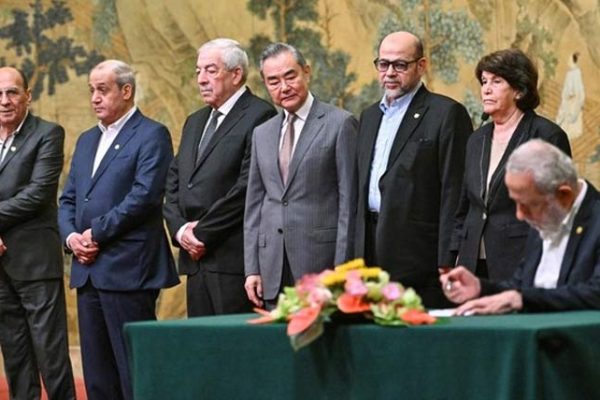
The Gaza-Israel conflict, often viewed through the lens of territorial disputes and ethnic tensions, is deeply rooted in a web of historical, political, and economic factors. This research paper delves into the intricate dynamics driving the conflict, including global political maneuvers, the strategic importance of trade routes, regional power struggles, economic crises, and the influential role of the arms industry. Additionally, it examines the shifting global power landscape, particularly the declining hegemony of the United States and the rise of China, which further complicate the quest for peace. By exploring these dimensions, the paper provides a comprehensive understanding of the enduring conflict and the multifaceted challenges to achieving stability in the Middle East.

Read More

How China Taught the World to Conquer with Economy, Not War: A Study of 10 Case Studies

China’s modern strategy for global influence focuses on economic power rather than military conquests, as exemplified by the Belt and Road Initiative (BRI) and strategic investments across various regions. Through ten detailed case studies, this paper explores how China has utilized infrastructure development, trade relations, and technological partnerships to enhance its global standing. From port investments in Africa and energy projects in Latin America to digital infrastructure in Southeast Asia and strategic acquisitions in Europe, China’s economic approach has reshaped global dynamics, fostering economic growth, enhancing regional connectivity, and securing geopolitical influence. This non-military method of expanding influence offers valuable lessons for leveraging economic power to achieve strategic objectives.

Read More

BYD’s $1 Billion Investment in Turkey: A Strategic Move in the Global Automotive Industry

BYD, a leading Chinese electric vehicle (EV) manufacturer, has announced a $1 billion investment in Turkey, marking a strategic expansion into the European market. This investment aims to establish advanced manufacturing facilities, enhance local production capabilities, and strengthen economic ties between China and Turkey. By leveraging Turkey’s strategic location, BYD can streamline its supply chain, reduce production costs, and cater to the growing demand for EVs in Europe. This move aligns with China’s Belt and Road Initiative, enhancing trade connectivity and expanding China’s influence in the global automotive industry. This paper explores the implications of BYD’s investment for both the Turkish economy and the broader geopolitical landscape.

Read More

How China Conquers Europe Without War Through the Belt and Road Initiative (BRI) and Maximizes Its Exports

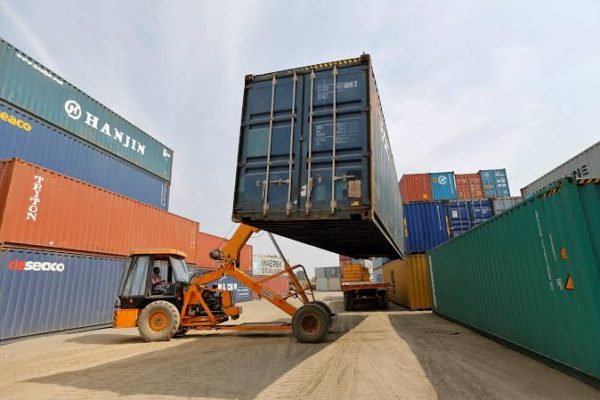
China’s Belt and Road Initiative (BRI) exemplifies its strategy to expand influence in Europe without military conflict, focusing instead on economic integration and infrastructure development. Through substantial investments in critical European infrastructure such as ports, railways, and energy projects, China has enhanced trade connectivity and maximized exports, which have soared to approximately $380 billion. This non-military approach strengthens China’s economic and geopolitical presence in Europe, fostering deeper trade relations and strategic influence. This research paper delves into the mechanisms of the BRI, the nature of Chinese investments, and the resulting trade dynamics, illustrating how China leverages economic tools to reshape global and regional power structures.

Read More

Countries and Currencies Challenging American Supremacy and the Dollar

Several countries and their currencies are emerging as potential challengers to American supremacy and the dominance of the US dollar as the world’s primary reserve currency. China’s yuan benefits from its rapid economic growth and extensive global trade relationships, while the euro, backed by the European Union’s economic strength and stability, maintains a significant international presence. Japan’s yen, bolstered by its stable economy and global investments, also plays a prominent role, alongside the pound sterling, supported by London’s status as a major financial hub. Additionally, Russia aims to increase the international use of the ruble through energy exports and bilateral trade agreements, while India’s growing economy enhances the influence of the Indian rupee regionally. Cryptocurrencies, such as Bitcoin and Ethereum, introduce decentralized alternatives to traditional fiat currencies, challenging the existing financial system. These developments reflect a complex shift in global currency dynamics, influencing economic policies and international trade practices.

Read More

Is India Challenging American Supremacy? An In-Depth Political Analysis

India’s rapid economic growth, expanding technological sector, and strategic geopolitical position have fueled discussions about its potential to challenge American supremacy. This detailed analysis explores India’s economic advancements, military capabilities, technological innovations, and diplomatic strategies, comparing them with those of the United States. While India’s rise enhances its global influence, it is not yet in a position to fully rival American dominance. Instead, India’s ascent is about securing its own strategic interests and contributing to a multipolar world, where cooperation and competition with the US coexist.

Read More

Modi’s Russia Visit: Global Political Impact, India-West Relations, and Russia-Ukraine War Mediation

Prime Minister Narendra Modi’s visit to Russia marks a pivotal moment in global politics, significantly impacting India-West relations and potentially influencing the Russia-Ukraine conflict. This visit aims to strengthen India-Russia ties through key agreements in defense, energy, technology, and trade, while also highlighting India’s strategic balancing act amidst complex geopolitical landscapes. Speculations suggest that Modi’s engagement may be encouraged by Western nations to mediate a resolution to the Ukraine war, which NATO and Europe are eager to end due to escalating economic and political pressures.

Read More

The Interplay of Individual, Society, State, and System: An Analytical Perspective

In the intricate tapestry of human civilization, the concepts of the individual, society, state, and system intertwine to shape our collective existence. Society, an ancient and natural institution, forms the bedrock of human interactions, while the state, a more modern construct, organizes and governs these interactions through laws and regulations. As humanity evolved, so did the complexities of these institutions, leading to a constant quest for balance and harmony. This article delves into the emergence and necessity of both society and state, the formation and adherence to value systems, and the modern-day challenges of achieving intellectual and practical unity between the individual, society, and state. By examining historical and contemporary perspectives, we seek to understand how these institutions can collectively ensure personal development and societal stability.

Read More

Transforming Saudi Arabia: Muhammad bin Salman’s Vision 2030 and Global Impact

Crown Prince Muhammad bin Salman is spearheading a transformative journey for Saudi Arabia with his Vision 2030 plan, aiming to diversify the economy, reduce oil dependency, and modernize the Kingdom across social, cultural, political, and economic dimensions. This comprehensive analysis explores the sweeping reforms initiated by MBS, including women’s empowerment, the rise of the entertainment and tourism sectors, and significant economic diversification efforts. Additionally, it delves into Saudi Arabia’s evolving strategic role in global geopolitics, especially in relation to the petro-dollar system, regional dynamics, and global energy markets. Despite facing challenges and criticisms, these reforms have the potential to reshape Saudi Arabia’s future and position it as a leading global player.

Read More