


Hilsa Fish Dispute: India’s Demand, Bangladesh’s Ban, and the Regional Significance

The Hilsa fish dispute between India and Bangladesh has gained international attention, rooted in cultural significance and economic impact. Bangladesh, which banned Hilsa fish exports to protect its local market and fish population, faces pressure from India, where Hilsa is highly valued, especially during festivals. As Bangladesh prioritizes sustainable fishing practices and food security, the export ban has caused tension, sparking criticism from both sides. This article delves into the history, benefits, and reasons behind the ongoing controversy.

Read More

Analysis of the Kamala Harris and Donald Trump Debate: September 10, 2024

The September 10 debate between Kamala Harris and Donald Trump highlighted America’s deep political divide, with Harris prosecuting Trump’s record on issues like the pandemic, economy, and social justice, while Trump aimed to rally his base by focusing on grievances, populism, and law-and-order rhetoric. Both candidates reflected the broader ideological and cultural clashes within the country. Harris aimed to appeal to moderates with a forward-looking vision, while Trump doubled down on past grievances, risking a limited appeal beyond his loyal supporters.

Read More

India’s Alleged Role in Terror Financing: An In-Depth Analysis of Claims, Evidence, and Strategic Interests

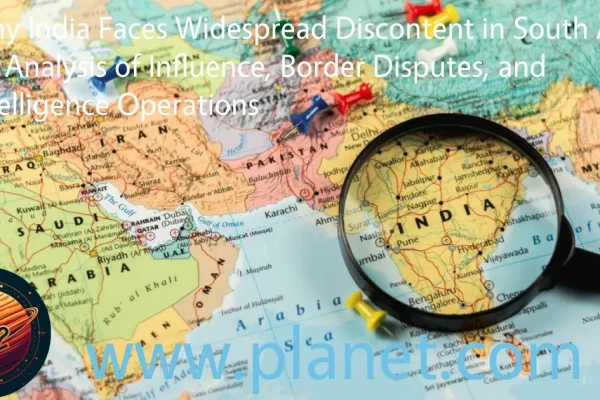
This article explores the contentious allegations of India’s involvement in terror financing in Pakistan, with a focus on Khyber Pakhtunkhwa and Balochistan. Analyzing data, documented incidents, and strategic motives, it provides a comprehensive understanding of the claims, counterarguments, and implications for regional stability.

Read More

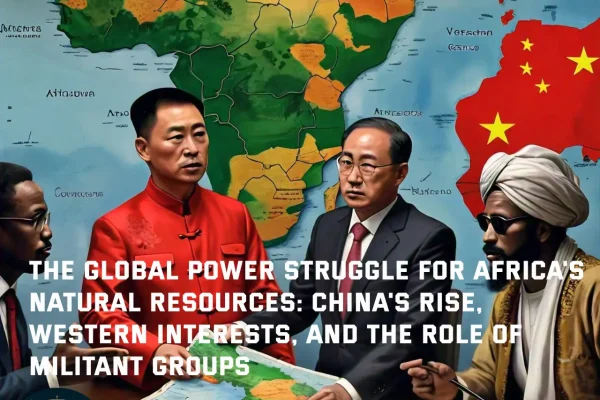
The Global Power Struggle for Africa’s Natural Resources: China’s Rise, Western Interests, and the Role of Militant Groups

The race for Africa’s vast natural resources has intensified, with China, the U.S., India, France, Turkey, and the European Union all competing for dominance. While these global powers invest heavily in infrastructure and trade, they also exploit the region’s political instability and poverty. This comprehensive analysis explores the geopolitical strategies used by these nations, the role of militant groups, and the impact of this struggle on Africa’s future.

Read More

The Ascendance of the Chinese RMB: Implications for the Global Economy and the Future of Reserve Currencies

The Chinese RMB has recently surpassed the Euro to become the second most-used currency in global trade, marking a significant shift in the global economic landscape. As China’s economic influence grows, questions arise about the potential of the RMB to challenge the US dollar’s dominance and the impact this shift will have on global markets. This article delves into the implications of the RMB’s rise, exploring its effect on China’s economy, the potential for it to overtake the USD, and the role of the BRICS currency initiative. It also examines how this development is altering global perceptions of the USD and what the future may hold for the international financial system.

Read More

Bangladesh’s Political Crossroads: Religious Parties, Secularism, and Student Activism Shaping the Nation’s Future

Bangladesh’s political landscape is increasingly defined by the clash between religious influence and secularism, with key players like the Awami League and Islamist parties such as Jamaat-e-Islami and BNP at the forefront. This article dives deep into the role of student activism, the impact of the 13-point agenda, and the government’s attempts to navigate the demands of a 91% Muslim population while striving for a secular state.

Read More

The Potential Failure of Capitalism and Democracy: Global Conflicts, Economic Instability, and the Path Forward

Explore the complex challenges facing capitalism and democracy, from economic instability and rising populism to global conflicts and environmental crises. This in-depth analysis delves into historical case studies, social movements, and potential alternatives to understand whether these systems are failing and how they might evolve to meet the demands of the 21st century.

Read More

How the Global South is Changing World Politics

The Global South, a term that encompasses countries in Africa, Asia, Latin America, and the Middle East, is redefining the contours of global politics. With rising economic powers like China, India, and Brazil, and a growing assertiveness in international affairs, the Global South is challenging traditional Western dominance. From climate change to trade agreements, countries in the Global South are increasingly shaping the global agenda, forcing a shift in the balance of power and heralding a new era of multipolarity.

Read More