

China’s Strategic Maneuvering in the Middle East: Displacing American Influence

China’s expanding influence in the Middle East through extensive economic investments, diplomatic engagements, and military cooperation marks a significant geopolitical shift, challenging traditional American dominance in the region. This comprehensive analysis explores China’s strategic initiatives such as the Belt and Road Initiative, which have catalyzed infrastructure development and economic growth across the region. Diplomatically, China has fostered strategic partnerships and engaged in conflict mediation, enhancing its credibility as a neutral player. Military ties, including arms sales and naval presence, underscore China’s commitment to regional security. Despite benefits, challenges like debt sustainability and environmental impacts necessitate careful management. Looking forward, the Middle East’s future will hinge on navigating these dynamics to maximize national interests amidst evolving global rivalries and economic transformations.

Read More

China’s Reshaping of Africa: Development Initiatives, Financial Opportunities, and In-Depth Analysis

China’s engagement in Africa has significantly reshaped the continent’s economic and developmental landscape through extensive infrastructure projects, energy investments, and financial aid, positioning China as a key partner in Africa’s growth. This comprehensive analysis delves into the historical context, current development initiatives, and financial opportunities arising from this partnership, while also examining the strategic, economic, and social implications. Despite the numerous benefits, challenges such as debt sustainability, labor practices, and environmental impacts remain. Looking forward, Africa’s ability to leverage this relationship for sustainable and inclusive development will depend on effective policy responses, strategic collaborations, and a focus on resilience and equity.

Read More

World Politics in 2024: A Comprehensive Review and Future Outlook

The year 2024 has been a transformative period in global politics, marked by significant geopolitical shifts, economic turbulence, and evolving social dynamics. This comprehensive analysis examines key events and trends, including the fluctuating influence of the United States, China’s rise as a global power, internal and external challenges faced by the European Union, volatility in the Middle East, and Russia’s strategic maneuvers. Additionally, the analysis explores economic recovery post-COVID-19, the transition to renewable energy, and evolving trade dynamics. It also addresses social movements, public health, and technological advancements, projecting future scenarios ranging from multilateral cooperation to environmental crises. Understanding these developments is crucial for navigating the uncertainties ahead and striving for a stable, prosperous, and equitable world.

Read More

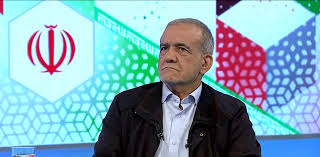
New Elected President of Iran: Masoud Pezeshkian, Life, Career, Political Thoughts, and Potential Impact on Iranian Policy Towards the WestNew Elected President of Iran: Masoud Pezeshkian,

Masoud Pezeshkian, the newly elected President of Iran, brings a reformist background and a distinguished medical career to his role. Known for his pragmatic approach, Pezeshkian advocates for economic diversification, improved healthcare, and social welfare reforms. His potential openness to engaging with Western countries and supporting diplomatic efforts to revive the Iran nuclear deal suggests a possible shift in Iran’s foreign policy. However, he faces challenges from internal hardliners and the complexities of balancing regional interests with efforts to build better relations with the West.

Read More

Why Democracy is Haram: An In-Depth Analysis Based on Quran and Hadith

In this comprehensive analysis, we explore why democracy is considered haram in Islam, drawing from the Quran and Hadith. The article delves into the fundamental conflicts between democratic principles and Islamic teachings, emphasizing how elected representatives can sometimes make decisions that go against the interests of the entire nation. By highlighting the inherent weaknesses of democratic systems, this piece aims to shed light on why Islam advocates for a different form of governance rooted in divine guidance.

Read More
Imran Khan: A Journey from Cricket Legend to Political Icon

Imran Khan: A Journey from Cricket Legend to Political Icon

Imran Khan’s biography is a story of triumphs and trials, of a man who transitioned from the glory of sports to the demanding arena of politics. His struggles, both on and off the field, reflect his dedication to his country and his relentless pursuit of change. As Pakistan continues to evolve, Imran Khan’s contributions and influence will undoubtedly shape its future for years to come.

Read More

Geert Wilders: Biography, Political Career, Theories, and Achievements

Geert Wilders, leader of the Dutch Party for Freedom (PVV), is known for his controversial views on Islam, immigration, and national sovereignty. His political career began with the People’s Party for Freedom and Democracy (VVD) before founding the PVV in 2006. Wilders’ staunch opposition to Islam and advocacy for strict immigration controls have significantly influenced Dutch politics, despite facing legal challenges and living under constant security due to threats. His impact extends internationally, aligning with right-wing movements across Europe.

Read More

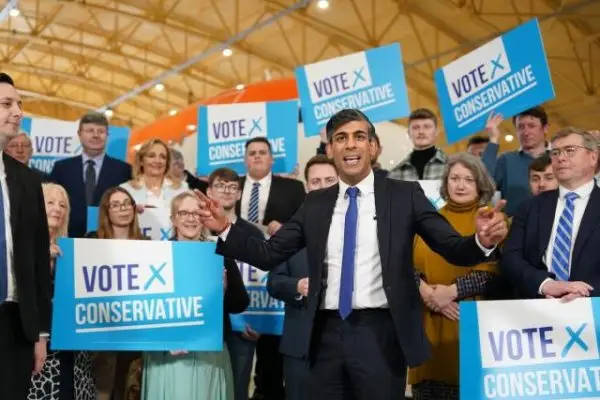
British Hindus Assert Political Influence as UK Heads to the Polls

As the United Kingdom votes on July 4, the British-Hindu community, over one million strong, is making its political presence felt more than ever. This influential group has released a ‘Hindu manifesto’ outlining key priorities and has numerous candidates participating in the electoral process. With the Labour Party leading in opinion polls, the support and concerns of British Hindus could play a decisive role in shaping the election’s outcome and the future policies of the UK government.

Read More