



The Basic Rights of Non-Muslims in Islam According to the Quran and Hadith

Islam emphasizes justice, compassion, and respect for all human beings, including non-Muslims. The Quran and Hadith outline fundamental rights for non-Muslims, ensuring their protection, freedom, and dignity within an Islamic society. These rights include the right to life and security, freedom of religion, protection of places of worship, justice, fair treatment, property rights, legal protection, social welfare, and the maintenance of cultural and religious practices. By upholding these principles, an Islamic state fosters a harmonious and inclusive society for all its citizens.

Read More

Understanding Why the Indian BJP Government Promotes Hate Against Islam and Muslims

In recent years, the Bharatiya Janata Party (BJP) government in India has been accused of promoting hatred against Islam and Muslims. This article delves into the historical, political, and social factors behind this phenomenon. It explores the rise of Hindutva ideology, the party’s electoral strategies, media influence, and societal factors contributing to communal polarization. By understanding these dynamics, the article aims to shed light on the implications for India’s secular fabric and social harmony.

Read More

Debunking the Myth: Islam’s True Teachings on Tolerance and Respect for Non-Muslims

A widespread misconception about Islam is that it promotes intolerance and hatred towards non-Muslims. This damaging myth is often propagated by selective interpretations and misinformation. In reality, Islam’s core teachings, as revealed in the Quran and Hadith, emphasize respect, coexistence, and compassion for all humanity. This article delves into these teachings, providing historical and modern examples to clarify Islam’s true stance on interfaith relations, ultimately promoting a better understanding of one of the world’s major religions.

Read More

Debunking the Biggest Misconceptions About Islam: Insights from the Quran and Hadith

The Biggest Misconceptions about Islam: A Comprehensive Analysis with References from the Quran and Hadith Introduction Islam, one of the world’s major religions, is often misunderstood and misrepresented. Misconceptions about Islam stem from a variety of sources, including historical conflicts, cultural differences, and media portrayal. This article aims to clarify the most prevalent misconceptions about…

Read More

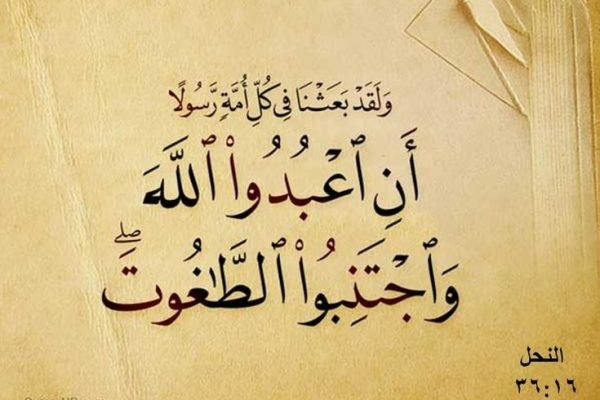
Understanding Taghoot in the Quran: Meaning, Explanation, and Significance

In the Quran, the term **Taghoot (طاغوت)** refers to anything or anyone that leads people away from the worship of Allah. Derived from the root word meaning “to transgress,” Taghoot encompasses false deities, tyrants, idols, and even ideologies that promote disobedience to Allah. The Quran emphasizes rejecting Taghoot and turning to Allah alone for guidance and worship. Verses such as Surah An-Nisa (4:60) and Surah Al-Baqarah (2:256) highlight the importance of disbelieving in Taghoot to achieve true faith and security. Understanding and avoiding Taghoot is crucial for adhering to the path of true monotheism as outlined in Islamic teachings.

Read More

Meaning and Analysis of Surah Al-Jumu’ah Verses 1 and 2 in the Context of the Islamic System

Surah Al-Jumu’ah, verses 1 and 2, offer profound insights into the essence of the Islamic system by emphasizing the praise of Allah and the purpose of the Prophet Muhammad’s (peace be upon him) mission. Verse 1 highlights Allah’s attributes as the Sovereign, the Pure, the Exalted in Might, and the Wise, underscoring His complete authority and perfection. This foundation of recognizing Allah’s sovereignty is crucial for understanding the Islamic system.

Verse 2 elaborates on the Prophet’s mission, detailing his roles in reciting the Quran, purifying people’s morals, teaching the Book, and imparting wisdom. These duties collectively aim to guide humanity towards spiritual and ethical betterment, emphasizing the significance of Quranic teachings and wisdom in daily life. Through this analysis, we comprehend the integral components of an Islamic system: divine sovereignty, prophetic guidance, Quranic teachings, and practical wisdom. These elements together form a robust framework for living a life aligned with Islamic

Read More