

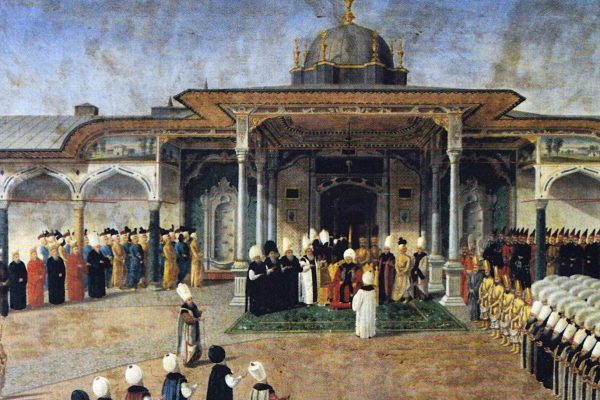
Understanding the Millet System: How the Ottoman Empire Managed Religious Diversity

Discover the intricacies of the Ottoman Empire’s Millet System, a unique administrative framework designed to manage the empire’s diverse religious communities. This detailed exploration reveals how the system allowed for religious autonomy, provided self-governance to communities such as Jews and Christians, and maintained social stability within a multi-ethnic empire. Learn about the advantages, challenges, and legacy of the Millet System in fostering coexistence and managing diversity in Ottoman society.
Read More

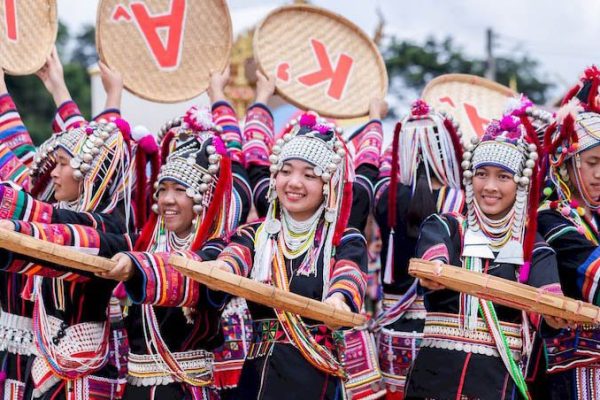
Hill Tribes of Thailand: Cultural Heritage and Modern Challenges

The hill tribes of Thailand represent a rich cultural heritage, with each group offering unique traditions, lifestyles, and challenges. This comprehensive exploration covers the history, customs, and modern issues faced by these indigenous communities. From the Karen and Hmong to the Akha and Yao, learn about their traditional practices, economic activities, and the impact of modernization on their way of life. Discover the efforts being made to preserve their culture and improve their livelihoods, highlighting success stories and future prospects for these vibrant communities in Thailand.

Read More

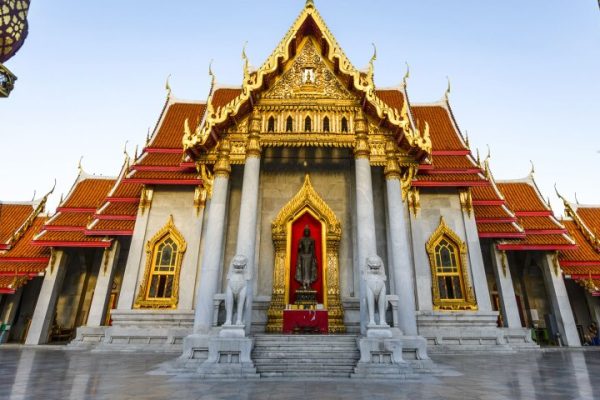
Discovering Thailand: A Comprehensive Exploration of History, Culture, Tribes, and Modern Life

Thailand, known as the Land of Smiles, is a country rich in culture, history, and natural beauty. From its ancient kingdoms and vibrant traditions to its diverse tribes and modern advancements, this comprehensive guide delves into all aspects of Thailand. Explore the historical evolution, cultural heritage, ethnic diversity, natural landscapes, economic developments, societal norms, political structure, and future prospects of this fascinating country. Whether you’re a traveler planning a visit or a reader eager to learn, this article provides an in-depth understanding of Thailand’s unique charm.

Read More

Mongolia: The Land of the Eternal Blue Sky

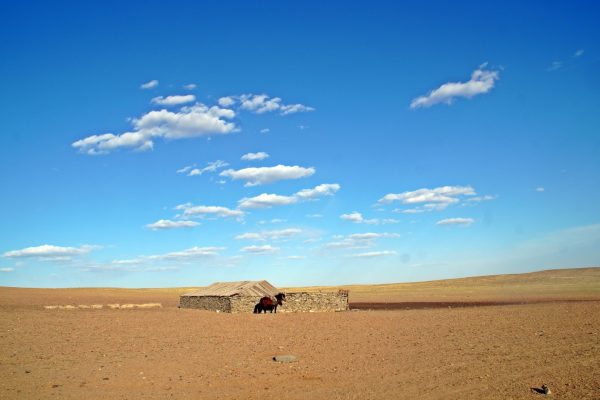
Mongolia, the “Land of the Eternal Blue Sky,” offers an unparalleled travel experience with its vast, untouched landscapes and rich cultural heritage. From the iconic Gobi Desert and pristine Lake Khövsgöl to the vibrant Naadam Festival and nomadic homestays, this hidden gem provides unique adventures and deep cultural immersion. Discover the allure of Mongolia’s diverse geography, historical sites, and traditional way of life, promising unforgettable memories and a profound connection with nature and culture.

Read More

Cross-Cultural Management: Strategies for Global Business Success

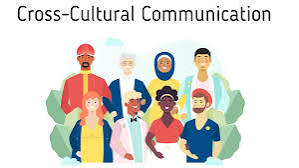
Effective cross-cultural management is essential for global business success, involving understanding cultural differences, building diverse teams, adapting communication and management practices, and leveraging technology. By embracing cultural diversity and fostering inclusivity, businesses can enhance collaboration, drive innovation, and achieve sustainable growth in international markets. Strategic adaptation and effective cross-cultural strategies contribute to competitive advantage and long-term success in the global business environment.

Read More

Cultural Significance of Non-Verbal Communication in Indigenous Tribes

Non-verbal communication holds profound cultural significance in indigenous tribes, encompassing gestures, facial expressions, eye contact, and silence to convey complex social, spiritual, and cultural messages. This rich tapestry of unspoken interaction fosters social cohesion, preserves cultural identity, and facilitates rituals and conflict resolution. Examples from the Maasai of East Africa, the Navajo of North America, and Aboriginal Australians highlight the diversity and depth of these traditions. However, modernization and globalization pose threats to these practices, making revitalization efforts essential for their preservation. Understanding and respecting these non-verbal cues are crucial for appreciating and maintaining the rich cultural heritage of indigenous communities.

Read More

The Science of Synesthesia in Art

Synesthesia, a neurological condition where stimulation of one sensory pathway leads to automatic experiences in another, profoundly influences art by blending senses in unique ways. This article explores how synesthetic experiences have shaped artistic creation, from historical figures like Kandinsky and Scriabin to contemporary digital and performance art. By examining the neurological basis and cognitive effects of synesthesia, we uncover its role in enhancing creativity and its broader implications for understanding perception and neural plasticity. The intersection of synesthesia and art not only enriches our appreciation of sensory experiences but also inspires innovative applications in technology and design.

Read More

Reading vs. Videos: Understanding Modern Learning Preferences in 2024

This research paper explores the evolving preferences of learners in 2024, comparing the popularity of reading to visual and interactive learning sources. By analyzing the latest data, surveys, and academic studies, we uncover key trends and factors influencing these preferences, such as age, educational background, and technological proficiency. While younger generations increasingly favor videos for their engagement and flexibility, reading remains a crucial and preferred mode for deeper understanding and retention among older and highly educated individuals. The study emphasizes the importance of offering diverse educational resources to cater to varied learning styles and optimize educational outcomes.

Read More

The Impact of Fictional Languages on Real Linguistics: Exploring Creativity, Theory, and Community

Fictional languages, often created for literature, films, and television, have emerged as fascinating subjects that deeply influence real-world linguistics. This article delves into how these constructed languages, or conlangs, contribute to linguistic theory, enhance language learning, and foster vibrant communities. By exploring the creative processes behind their creation and the theoretical insights they offer, we uncover the profound impact of fictional languages on our understanding of language and culture.

Read More

The Art of Lovemaking: A Journey to Intimacy and Connection

Lovemaking is an intimate dance that transcends the physical, connecting two people emotionally, psychologically, and spiritually. It is a profound expression of love and trust, enriched by mindful communication and mutual respect. Creating a conducive atmosphere with soft lighting, engaging scents, and eliminating distractions sets the stage for deeper connection. Foreplay, variety in positions, and sensual techniques like massage and oral sex heighten arousal and pleasure, while mindfulness and open communication enhance the experience. Aftercare through cuddling and reflective dialogue further strengthens the bond, making lovemaking a journey of continuous emotional and intimate growth.

Read More