




The Mughal Era: A Golden Age of Art and Architecture in India

“The Mughal era was a golden age of art and architecture in India, marked by significant cultural, artistic, and architectural achievement. The Taj Mahal, Lahore Fort, and Shalimar Gardens are testaments to the Mughal era’s architectural innovations and beauty, showcasing a perfect blend of Indian, Persian, and Islamic styles. These iconic buildings have had a profound impact on world architecture and culture, challenging traditional Western views and inspiring a new appreciation for non-Western cultures and their contributions to world heritage.”

Read More

The Timeless Elegance of Islamic Art and Architecture: A Legacy of Innovation and Beauty

The Islamic era was a time of great innovation and advancement in engineering and architecture. One of the most influential figures of this time was Sinan, a celebrated Ottoman architect who designed over 400 buildings, including the magnificent Süleymaniye Mosque in Istanbul. Sinan’s designs revolutionized the use of domes and arches, creating a sense of grandeur and elegance that would inspire architects for centuries to come.

Another notable example is the Alhambra in Granada, Spain, a breathtaking palace and fortress complex that showcases the intricate geometric patterns and Arabesques that are hallmarks of Islamic art and architecture. The Alhambra’s use of muqarnas, ornate vaulting that creates a sense of depth and texture, is a testament to the ingenuity and craftsmanship of Islamic engineers and architects.

These iconic structures, and many others like them, demonstrate the profound impact that Islamic art and architecture have had on the world. They continue to inspire wonder and awe in people around the globe, a lasting legacy of the creativity, skill, and devotion of Muslim artists and craftsmen.”

Read More

In-Depth Overview of South Korea’s Art and Culture: Traditional Heritage and Modern Trends

Discover the rich tapestry of South Korean art and culture, blending traditional heritage with modern innovations. This comprehensive overview explores traditional art forms, music, dance, and festivals, alongside contemporary visual arts, K-Pop, and global cultural influence. Learn how South Korea’s cultural landscape continues to evolve and captivate audiences worldwide.

Read More

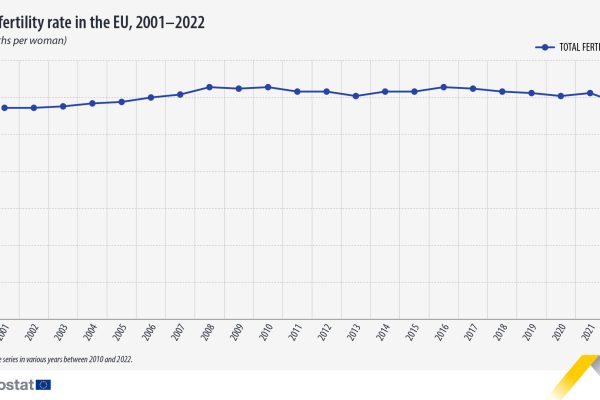
Why South Korea Has the Lowest Fertility Rate: Key Economic, Social, and Policy Factors

Explore the reasons behind South Korea’s lowest fertility rate in the world. This article examines key factors such as high living costs, job insecurity, evolving social attitudes, and insufficient government support. Discover how economic pressures, work-life balance challenges, and cultural expectations contribute to the declining birth rate in South Korea.

Read More

How Family Laws and Social Movements Impact Population Dynamics: A Global Perspective

Explore how family laws and social movements, including LGBTQ+ rights, impact global population dynamics. This article examines how restrictive policies and evolving social norms influence birth rates, family structures, and demographic trends, using data from various countries to highlight the complex interplay between legislation, economic pressures, and societal change.

Read More

Investigate How the Promotion of LGBTQ+ Rights Affects Social Cohesion and Integration Within European Communities: Education and Identity: LGBTQ+ Curricula in Schools and Its Impact on Youth Development

1. Introduction 1.1. Definition of LGBTQ+ Rights LGBTQ+ rights encompass the legal and social entitlements afforded to individuals based on their sexual orientation or gender identity. These rights include marriage equality, adoption rights, protection from discrimination, and access to healthcare. The promotion of LGBTQ+ rights seeks to ensure that lesbian, gay, bisexual, transgender, queer, and…

Read More

Examine the Mental Health Challenges Associated with LGBTQ+ Lifestyles and Their Broader Societal Repercussions: Cultural Transformation and LGBTQ+ Influence on Traditional European Values

This research paper delves into the complex interplay between LGBTQ+ lifestyles and their broader societal implications, focusing particularly on mental health challenges and cultural transformation in Europe. It examines the heightened prevalence of mental health issues within the LGBTQ+ community, such as depression and anxiety, and explores the role of stigma, discrimination, and internalized homophobia. The paper also addresses the broader societal impacts, including shifts in traditional family structures, evolving European values, and the legal and policy advancements affecting LGBTQ+ rights. Additionally, it highlights the controversial aspects of LGBTQ+ inclusion, such as backlash and economic implications, providing a comprehensive analysis of the ongoing cultural and social changes driven by LGBTQ+ visibility and acceptance.

Read More

Analyzing the Correlation Between the Rise of the LGBTQ+ Community and Declining Birth Rates in European Countries

LGBTQ+, birth rates, Europe, family structure, demographic trends, reproductive health, same-sex marriage, adoption, family planning, media representation, societal attitudes, economic impact, assisted reproductive technologies, public opinion, cultural shifts, LGBTQ+ rights, declining birth rates, family dynamics, educational attainment, career goals, policy recommendations

Read More