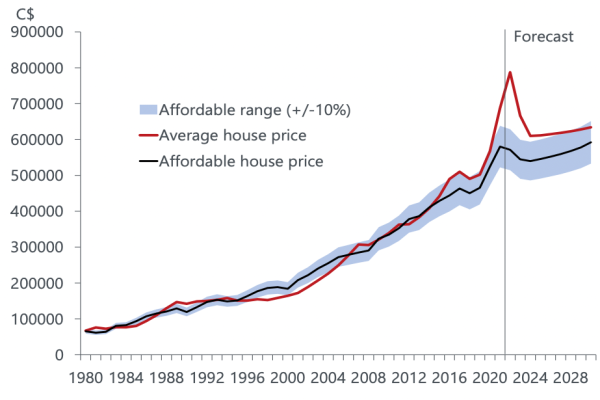
Future Trends in Canada’s Real Estate Market: Insights and Predictions

Explore the future of Canada’s real estate sector with a detailed analysis of market trends, economic influences, technological advancements, and demographic shifts. Discover how urbanization, environmental considerations, and evolving consumer preferences are shaping the landscape of Canadian real estate, offering insights into emerging opportunities and challenges.

Read More

Transforming Saudi Arabia: Muhammad bin Salman’s Vision 2030 and Global Impact

Crown Prince Muhammad bin Salman is spearheading a transformative journey for Saudi Arabia with his Vision 2030 plan, aiming to diversify the economy, reduce oil dependency, and modernize the Kingdom across social, cultural, political, and economic dimensions. This comprehensive analysis explores the sweeping reforms initiated by MBS, including women’s empowerment, the rise of the entertainment and tourism sectors, and significant economic diversification efforts. Additionally, it delves into Saudi Arabia’s evolving strategic role in global geopolitics, especially in relation to the petro-dollar system, regional dynamics, and global energy markets. Despite facing challenges and criticisms, these reforms have the potential to reshape Saudi Arabia’s future and position it as a leading global player.

Read More

The Hidden Struggles of the Pakistani Startup Scene: A Decade of Challenges and Failures

Over the past decade, Pakistan’s startup ecosystem has experienced significant growth, driven by innovation and increased investments. However, beneath the surface of success stories lies a reality marked by high failure rates, substantial financial losses, and numerous challenges. This article delves into the hidden struggles of the Pakistani startup scene, analyzing data from the last ten years to uncover the financial pitfalls, failed ventures, and systemic issues that have plagued the industry. By understanding these challenges, businesses can make more informed decisions and navigate the complex landscape of Pakistan’s startup ecosystem more effectively.

Read More

The Dark Side of India’s Startup Boom: Analyzing a Decade of Losses and Lessons for Future Success

Over the past decade, India’s startup ecosystem has experienced rapid growth, marked by significant innovations and substantial funding. However, behind the success stories lies a darker narrative of high failure rates, financial losses, and operational challenges. With around 90% of startups failing within the first five years, the ecosystem has seen notable shutdowns like Stayzilla and AskMe, which highlight issues such as overdependence on funding, market saturation, regulatory hurdles, and talent retention difficulties. This article delves into these challenges, providing a comprehensive analysis of the Indian startup landscape, backed by data and examples, to help businesses make informed decisions and foster sustainable growth.

Read More

Exposing the Profit-Driven Practices of the Pharmaceutical Industry: How Medicine Scams Patients and Healthcare Systems

The pharmaceutical industry, despite its crucial role in advancing healthcare, is often criticized for unethical practices that prioritize profits over patient well-being. This detailed analysis uncovers how strategies like price gouging, patent evergreening, pay-for-delay agreements, misleading marketing, and manipulation of clinical trial data exploit patients and inflate healthcare costs. By understanding these practices, recognizing their impact on both individuals and healthcare systems, and exploring regulatory and ethical reforms, we can strive for a more transparent and patient-centered approach to medicine.

Read More

China’s Strategic Maneuvering in the Middle East: Displacing American Influence

China’s expanding influence in the Middle East through extensive economic investments, diplomatic engagements, and military cooperation marks a significant geopolitical shift, challenging traditional American dominance in the region. This comprehensive analysis explores China’s strategic initiatives such as the Belt and Road Initiative, which have catalyzed infrastructure development and economic growth across the region. Diplomatically, China has fostered strategic partnerships and engaged in conflict mediation, enhancing its credibility as a neutral player. Military ties, including arms sales and naval presence, underscore China’s commitment to regional security. Despite benefits, challenges like debt sustainability and environmental impacts necessitate careful management. Looking forward, the Middle East’s future will hinge on navigating these dynamics to maximize national interests amidst evolving global rivalries and economic transformations.

Read More

China’s Reshaping of Africa: Development Initiatives, Financial Opportunities, and In-Depth Analysis

China’s engagement in Africa has significantly reshaped the continent’s economic and developmental landscape through extensive infrastructure projects, energy investments, and financial aid, positioning China as a key partner in Africa’s growth. This comprehensive analysis delves into the historical context, current development initiatives, and financial opportunities arising from this partnership, while also examining the strategic, economic, and social implications. Despite the numerous benefits, challenges such as debt sustainability, labor practices, and environmental impacts remain. Looking forward, Africa’s ability to leverage this relationship for sustainable and inclusive development will depend on effective policy responses, strategic collaborations, and a focus on resilience and equity.

Read More

World Politics in 2024: A Comprehensive Review and Future Outlook

The year 2024 has been a transformative period in global politics, marked by significant geopolitical shifts, economic turbulence, and evolving social dynamics. This comprehensive analysis examines key events and trends, including the fluctuating influence of the United States, China’s rise as a global power, internal and external challenges faced by the European Union, volatility in the Middle East, and Russia’s strategic maneuvers. Additionally, the analysis explores economic recovery post-COVID-19, the transition to renewable energy, and evolving trade dynamics. It also addresses social movements, public health, and technological advancements, projecting future scenarios ranging from multilateral cooperation to environmental crises. Understanding these developments is crucial for navigating the uncertainties ahead and striving for a stable, prosperous, and equitable world.


Read More

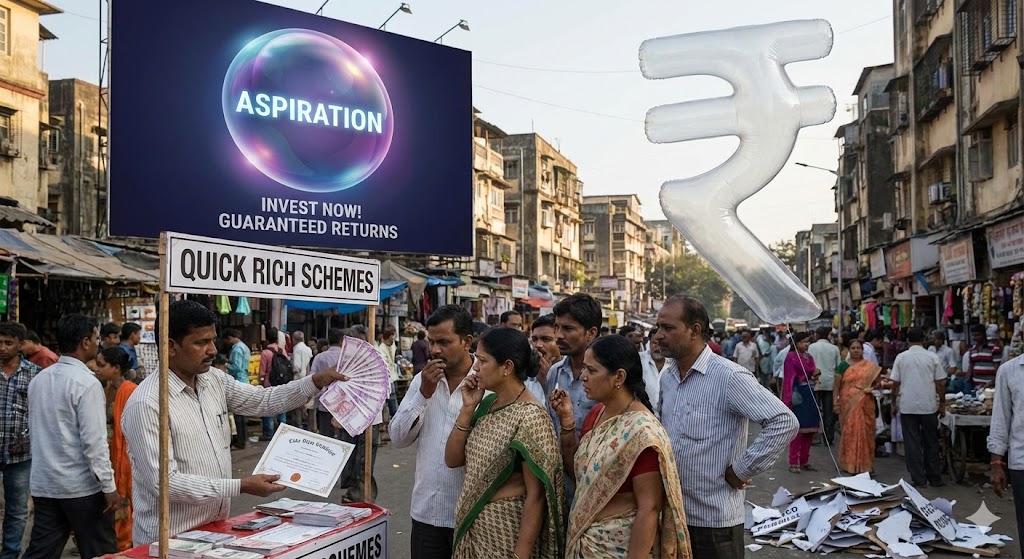
The Biggest Financial Scams in Human History: An Examination of Mechanisms, Impacts, and Regulatory Responses

Financial scams have caused significant economic damage and eroded public trust in financial systems throughout history. From early 18th-century speculative bubbles to modern-day Ponzi schemes, these fraudulent activities have left a lasting impact on economies and regulatory frameworks. This paper explores some of the largest and most infamous financial scams, including the South Sea Bubble, the Mississippi Scheme, Charles Ponzi’s original scheme, Bernie Madoff’s massive Ponzi operation, and the Enron scandal. By examining the mechanisms behind these scams, the key players involved, the consequences they wrought, and the regulatory responses they prompted, we aim to uncover the patterns and vulnerabilities that have allowed such frauds to occur. Understanding these historical cases is crucial for developing measures to prevent future financial scams and safeguard the integrity of financial markets.

Read More

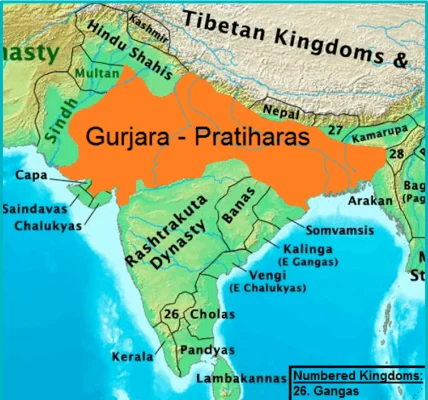
The Economic Dynamics of the Gurjara-Pratihara Empire: Agriculture, Trade, and Governance (8th-11th Century)

During their reign from the 8th to the 11th centuries, the Gurjara-Pratihara dynasty wielded significant influence over the economic landscape of early medieval India. This excerpt delves into their agricultural innovations, vibrant trade networks, and effective governance strategies, highlighting how these elements contributed to the empire’s economic prosperity and societal stability. Agricultural advancements, including improved irrigation and crop diversification, supported a thriving agrarian economy, while robust trade routes facilitated commerce both within the empire and beyond. Governance policies, marked by structured taxation and urban development, fostered economic growth and cultural integration, shaping the Gurjara-Pratihara empire into a pivotal economic powerhouse of its time.

Read More